2027 I-Code Development Continues: AWC Secures Key Industry Wins
AWC and our Subcommittee on Codes and Product Evaluation (SCAPE) continued advancing member priorities throughout the development of the International Code Council’s (ICC) 2027 I-Codes, the model building codes adopted nationwide and essential to maintaining safe, cost-effective, and accessible wood construction.
During the multi-year development process for the 2027 I-codes, which began in 2024 and will conclude with final public hearings in April 2026, AWC secured a series of wins in 2025’s Group B Committee Action Hearing (CAH 2).
Several high impact proposals from competing material interests were successfully defeated, including a concrete and masonry proposal that attempted to roll back allowances for exposed mass timber ceilings in Type IV-B construction, preserving hard won gains from the 2024 International Building Code (IBC). A proposed appendix on embodied greenhouse gas emissions reporting, well outside the scope of a life safety code, was also disapproved. Additionally, a comment from the concrete industry that would have complicated approval pathways for floor framing assemblies under ASTM D8391 was rejected. Two proposals supporting structural use of salvage lumber were approved with AWC-driven modifications that ensure consistency and safety. These outcomes stem from extensive preparation by AWC staff and SCAPE, who reviewed more than 500 comments for CAH2 and closely coordinated industry positions to ensure wood products were treated fairly across dozens of proposals.
AWC also secured additional wins through our own comments submitted for CAH 2, strengthening clarity, reducing unnecessary costs, and expanding safe wood construction options. These included aligning “preservative treated wood” terminology with the IBC, clarifying when field treatment of engineered wood products is not required, removing an unnecessary slope limitation on wood roof rafters, refining the use of the term “heavy timber,” updating the definition of “modular component” to support new offsite construction standards, clarifying permissible cutting and notching requirements, and revising concealed space protection requirements in Type IV-HT construction to eliminate redundant cavity insulation.
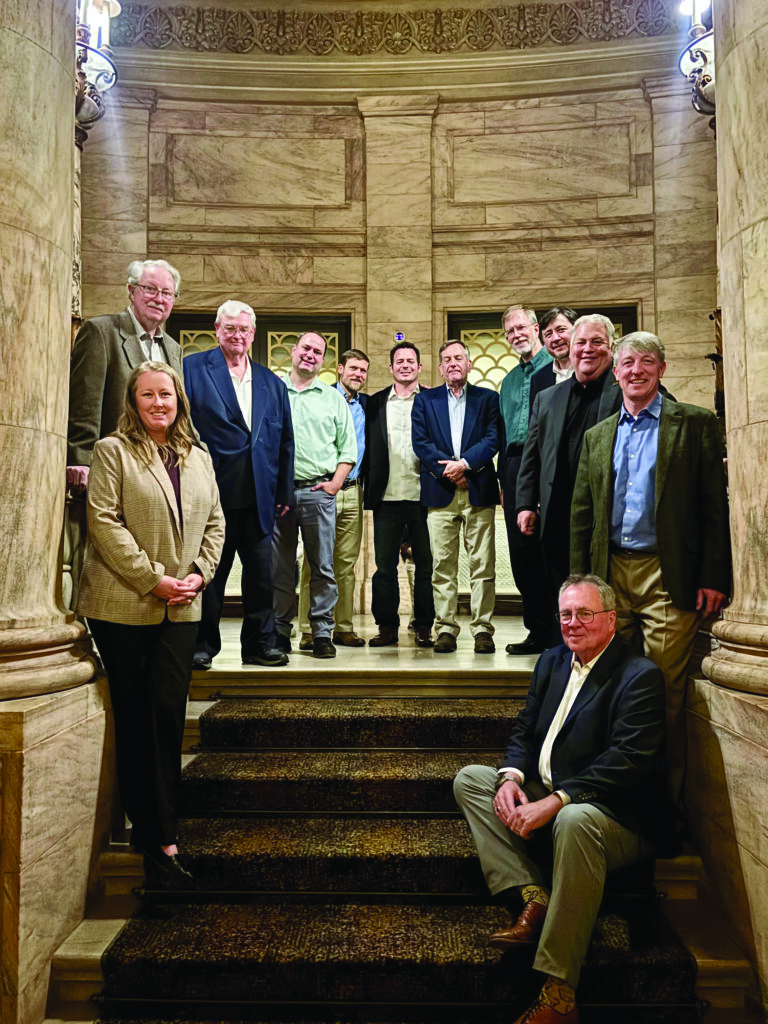
In December, SCAPE met to review potential AWC public comments for the last stage of the process in April. Planned submissions include adding a reference to AWC’s Fire Design Specification for Wood Construction (FDS) in Chapter 23 of the IBC, refining top of wall bracing provisions, and updating salvage lumber criteria in coordination with the American Lumber Standards Committee. Public comments were submitted in early January.
AWC will remain fully engaged throughout the final months of the development process to safeguard fair, performance-based code requirements and argue against proposals that unfairly restrict the use of wood products.